Modern life pulls us in countless directions, leaving many people feeling drained, stressed, and disconnected from their natural energy. While conventional medicine often focuses on treating symptoms, Traditional Chinese Medicine (TCM) takes a different approach—one that views the body as an interconnected system where physical, mental, and emotional health work together. This ancient practice, combined with therapeutic techniques like cupping, offers a path toward restoring balance and vitality that has helped millions of people for thousands of years.
Overview of Chinese Medicine Treatment
Chinese medicine treatment operates on several fundamental principles that guide diagnosis and healing. The concept of Qi (pronounced “chee”) represents the vital energy that flows through specific pathways in the body, known as meridians. When Qi moves smoothly, health flourishes. When blockages or imbalances occur, symptoms and illness can develop.
The principle of Yin and Yang describes the complementary forces that must remain balanced for optimal health. Yin represents cooling, nurturing, and restorative qualities, while Yang embodies warming, active, and energizing aspects. Stress often creates imbalances between these forces, leading to symptoms like insomnia, anxiety, or fatigue.
The Five Elements theory connects different organ systems to emotional states and environmental factors. This framework helps practitioners understand how stress affects multiple body systems simultaneously. Chinese medicine treatment addresses these connections through various therapeutic methods:
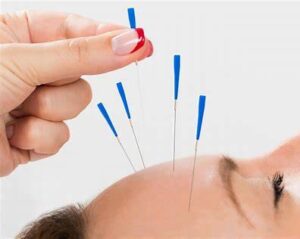
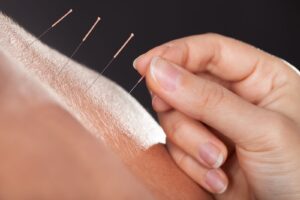
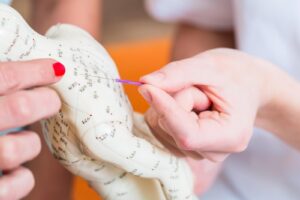
- Acupuncture: Thin needles are placed at specific points to regulate energy flow
- Herbal medicine: Customized formulas to support organ function and emotional balance
- Cupping therapy: Suction cups that promote circulation and release tension
- Dietary treatment: Food recommendations based on individual constitution and needs
- Qigong and Tai Chi: Movement practices that cultivate internal energy
The Role of a Traditional Chinese Medicine Clinic
A traditional Chinese medicine clinic offers a unique healthcare environment that focuses on comprehensive assessments and personalized treatments. TCM clinics typically offer integrated treatment approaches that combine multiple therapeutic methods. Practitioners examine the tongue, palpate the pulse at various positions, and ask detailed questions about symptoms that may seem unrelated in conventional medicine.
Many people seeking holistic healthcare options search for “walk-in acupuncture near me” when looking for immediate relief from stress or pain. While some traditional Chinese medicine clinic locations accommodate walk-in appointments, most practitioners prefer scheduled consultations to allow adequate time for proper assessment and treatment planning.
The clinical environment emphasizes relaxation and healing, with treatment rooms designed to promote calm and restoration. Patients often report feeling more balanced and energized after visits, as treatments address both immediate symptoms and underlying causes of stress and fatigue.
Cupping Therapy: What Is It and What Does It Do?
Cupping represents one of the most recognizable Traditional Chinese Medicine therapies, involving the placement of special cups on the skin to create suction. This ancient practice has been employed across various cultures for thousands of years, with archaeological evidence indicating that cupping techniques were used in Egypt, Greece, and China dating back over 3,000 years.
Traditional cupping methods used materials such as bamboo, ceramic, or animal horns, whereas modern practitioners typically employ glass or silicone cups. The suction effect draws skin and superficial muscle tissue upward into the cup, creating increased blood flow and promoting the release of muscle tension. Different cupping techniques serve various therapeutic purposes, each offering unique benefits:
- Stationary cupping: Cups remain in place for 5-15 minutes to target specific areas of tension
- Moving cupping: Combines massage-like movements with suction to cover larger muscle groups
- Fire cupping: Uses heat to create a vacuum effect, providing deeper therapeutic penetration
- Flash cupping: Quick application and removal to stimulate circulation without marking
- Wet cupping: Involves small incisions to remove stagnant blood and toxins
What Does Cupping Do?
What role does cupping play in the body’s natural healing processes? The primary mechanism involves improving circulation and promoting the movement of stagnant energy and fluids. When cups create suction on the skin, blood vessels dilate and fresh blood flows to the treated area. This increased circulation delivers oxygen and nutrients while helping remove metabolic waste products that can contribute to pain and stiffness.
Cupping therapy also affects the nervous system by stimulating pressure receptors under the skin. This stimulation can help reduce pain signals and promote relaxation throughout the body.
The therapy addresses energy blockages according to TCM principles by drawing stagnant Qi toward the surface and encouraging its movement through meridian pathways. What does cupping do for emotional stress? By releasing physical tension and improving energy flow.
Regular cupping sessions can support the body’s natural detoxification processes. Improved lymphatic drainage helps eliminate toxins and reduces inflammation that contributes to chronic stress and fatigue.
The Science Behind Cupping Therapy
Modern research has begun to validate many traditional uses of cupping therapy through scientific study. The suction effect creates localized changes in tissue that can be measured and understood through conventional medical frameworks. Blood flow increases significantly in cupped areas, which helps explain many of the therapy’s beneficial effects.
Studies have shown that cupping can reduce inflammatory markers in the blood and promote the release of endorphins, the body’s natural pain-relieving chemicals. These biochemical changes help explain why many people experience reduced stress and improved mood after cupping sessions.
How cupping helps detoxify the body by stimulating the lymphatic system
The lymphatic system plays a crucial role in removing toxins and maintaining immune function. Cupping therapy directly stimulates lymphatic circulation by creating negative pressure that encourages the movement of lymphatic fluid. This enhanced drainage helps the body eliminate waste products more efficiently, reducing the toxic burden that can contribute to fatigue and stress.
When lymphatic flow improves, the immune system functions more effectively, helping the body resist stress-related illness. The detoxification process supported by cupping can lead to clearer thinking, better sleep, and increased energy levels as the body’s natural cleansing mechanisms work more efficiently.
TCM practitioners recognize several signs that indicate successful detoxification through cupping:
- Improved skin clarity: Reduced inflammation and better circulation create a healthier complexion
- Enhanced mental focus: Clearer thinking as toxins that affect brain function are eliminated
- Better digestive function: Improved lymphatic flow supports gut health and nutrient absorption
- Increased energy levels: Less toxic burden allows cells to produce energy more efficiently
- Deeper sleep quality: Reduced inflammation promotes more restorative rest patterns
Cupping for Stress Management
Stress manifests in the body through muscle tension, shallow breathing, and disrupted energy flow. Cupping therapy addresses the physical aspects of stress while promoting deep relaxation, which helps calm the nervous system. The therapy’s ability to release fascial restrictions and improve tissue flexibility provides immediate relief from stress-related muscle tightness.
Regular cupping sessions can help reset stress response patterns by activating the parasympathetic nervous system, promoting a state of relaxation and balance. This “rest and digest” mode encourages healing and restoration while counteracting the chronic activation of stress hormones.
The meditative quality of cupping sessions also contributes to stress relief. The quiet, focused treatment time provides a break from mental chatter and external pressures. This mindful pause allows the nervous system to recalibrate and return to a more balanced state.
Specific cupping techniques can target areas where stress commonly accumulates:
- Neck and shoulder cupping: Releases tension from computer work and emotional stress
- Back cupping: Addresses deep muscle tension and promotes spinal alignment
- Abdominal cupping: Supports digestive function, often disrupted by chronic stress
Restoring Energy Through Cupping
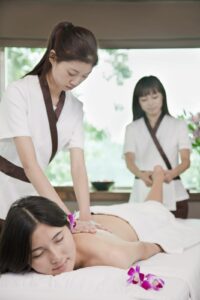
Energy depletion often results from blocked circulation and stagnant metabolic processes. Cupping therapy helps restore vitality by removing these blockages and promoting the free flow of blood, lymph, and energy throughout the body. The increased circulation delivers fresh oxygen and nutrients to cells while removing waste products that can cause fatigue.
Cupping supports the body’s natural energy production by improving cellular function and reducing inflammation. When cells receive better circulation and operate in a less toxic environment, they can produce energy more efficiently.
The therapy also helps regulate sleep patterns, which in turn directly affect energy levels. By promoting relaxation and reducing pain that might interfere with rest, cupping supports the deep, restorative sleep necessary for energy renewal. Better sleep quality leads to more consistent energy throughout waking hours.
Energy restoration through cupping involves multiple physiological processes that work together:
- Increased oxygen delivery: Enhanced circulation brings fresh oxygen to energy-producing cells
- Toxin removal: Improved lymphatic drainage eliminates substances that cause cellular fatigue
- Nervous system balance: Activates parasympathetic response for better energy regulation
- Hormone optimization: Supports natural cortisol rhythms that control daily energy cycles
- Muscle tension release: Reduces energy drain from chronic muscle contractions
Cupping as Part of a Holistic Stress-Reduction Plan
Cupping therapy works most effectively when integrated with other Traditional Chinese Medicine practices. This comprehensive approach addresses stress and energy imbalances from multiple angles, creating more lasting results than any single treatment method alone.
Combining cupping with acupuncture amplifies the benefits of both therapies. While cupping improves circulation and releases surface tension, acupuncture can address deeper energy imbalances and regulate the function of organs. Many practitioners recommend alternating or combining these treatments based on individual needs and responses.
For those seeking convenient access to holistic care, searching “walk-in acupuncture near me” can help locate clinics that offer integrated TCM services. However, the most effective treatment plans typically involve regular appointments that allow practitioners to monitor progress and adjust techniques as healing occurs.
When selecting a traditional Chinese medicine clinic for comprehensive care, consider these critical factors:
- Practitioner credentials: Look for licensed acupuncturists with formal TCM training
- Treatment variety: Clinics offering multiple modalities provide more comprehensive care
- Clean facilities: Proper sanitation standards ensure safe treatment environments
- Consultation approach: Thorough initial assessments indicate quality care practices
- Treatment room atmosphere: Calm, private spaces enhance therapeutic effectiveness
Herbal medicine complements cupping by supporting the body’s healing processes from within. Custom herbal formulas can address specific patterns of stress and energy depletion ,while cupping works on physical tension and circulation. This internal and external approach creates synergistic effects that enhance overall treatment outcomes.
Lifestyle modifications enhance the benefits of cupping therapy and help maintain improvements between sessions:
- Stress management techniques: Meditation, breathing exercises, and mindfulness practices
- Regular exercise: Gentle activities like walking, yoga, or swimming that support circulation
- Adequate sleep: Maintaining consistent sleep schedules and creating restful environments
- Nutritional support: Eating foods that nourish the nervous system and support energy production
- Hydration: Drinking sufficient water to support the detoxification processes initiated by cupping
The integration of these approaches creates a comprehensive wellness plan that addresses stress and energy imbalances at their roots. Rather than simply managing symptoms, this holistic strategy helps restore the body’s natural ability to maintain balance and vitality.
Traditional Chinese Medicine and cupping therapy offer time-tested methods for addressing the stress and energy challenges of modern life. By working with the body’s natural healing mechanisms and addressing root causes of imbalance, these ancient practices provide sustainable wellness solutions that complement contemporary healthcare approaches. When integrated thoughtfully into a comprehensive wellness plan, TCM and cupping can help restore the harmony between body and mind that supports lasting health and vitality.