In today’s fast-paced, high-demand world, stress has become more than an occasional inconvenience — it’s a constant background noise in our lives. From looming deadlines and financial pressures to emotional challenges and social responsibilities, stress impacts nearly every aspect of our wellbeing. While many turn to conventional methods like medication or mindfulness apps for relief, more people are seeking sustainable, holistic alternatives. Enter Traditional Chinese Medicine (TCM) and acupuncture — time-honoured practices that have helped restore internal balance for thousands of years.
Whether you’re navigating a demanding job, parenting, or experiencing emotional burnout, this article explores how acupuncture and Chinese medicine offer not only stress relief, but a pathway to deeper healing and resilience — especially when practiced at trusted clinics like those in Ottawa.
The Invisible Epidemic of Chronic Stress

Despite our technological advances, stress-related conditions have reached epidemic proportions. The World Health Organization now recognizes stress as a major factor behind the rise in chronic illness, sleep disorders, depression, and cardiovascular issues.
In Ottawa, like most urban centers, people report growing feelings of anxiety, fatigue, and overwhelm. Professionals facing long hours, caregivers managing multiple roles, students coping with academic and social pressures — all are deeply impacted.
Unfortunately, the body doesn’t differentiate between the “threat” of an overdue email and a life-or-death danger. Our stress response floods the system with cortisol and adrenaline, creating a fight-or-flight loop that, over time, takes a toll on digestion, immunity, sleep, and emotional balance. In the long term, this contributes to systemic inflammation, weight gain, hormonal imbalances, and mental fatigue that can lead to burnout.
The prevalence of stress-related complaints in Ottawa clinics—insomnia, migraines, digestive issues, hormonal imbalance—suggests that traditional stress-management approaches may not be working well enough. What’s needed is a framework that respects the complexity of mind-body interaction.
Why Conventional Stress Relief Often Falls Short
Many seek relief in quick fixes — medications, supplements, meditation apps, or escapist entertainment. While these may provide momentary calm, they rarely address the root of the problem.
Pharmaceutical solutions such as anti-anxiety medications or sleeping pills may come with side effects or dependency concerns. Talk therapy and mindfulness are helpful but may be less effective when the body itself is locked in stress physiology. What’s missing is an approach that acknowledges the mind-body connection and promotes systemic recalibration — precisely what Traditional Chinese Medicine and acupuncture offer.
Conventional medicine often treats symptoms in isolation, whereas TCM aims to restore harmony within the whole system. By viewing stress not merely as a mental or emotional issue but as a disturbance of Qi and internal balance, TCM provides a different and often more comprehensive path to healing.
TCM: The Energetic View of Stress
Traditional Chinese Medicine doesn’t just treat symptoms — it looks at the entire system. Stress is not simply a mental or emotional experience; it’s a disruption in the smooth flow of Qi (vital energy) and the function of organ systems, particularly the Liver.
Qi, Meridians, and the Liver’s Role in Emotional Balance
According to TCM, stress primarily impacts the Liver meridian, which governs the smooth flow of Qi throughout the body. When under emotional strain, the Liver becomes “stagnant,” leading to symptoms such as irritability, headaches, muscle tension, PMS, digestive issues, or insomnia.
This stagnation creates a ripple effect. Qi and blood may not reach the Heart to calm the mind, nor the Spleen to support digestion. In TCM, emotional and physical health are deeply interconnected — and chronic stress represents a state of systemic disharmony. TCM links prolonged stress to more serious imbalances such as Yin deficiency, Qi stagnation, and even Shen disturbances (the spirit housed in the Heart).
How Acupuncture Supports Nervous System Balance
Acupuncture works by stimulating specific points along the body’s meridians to restore balance and promote healing. Scientifically, we now understand that acupuncture regulates cortisol levels, activates the parasympathetic nervous system (the “rest and digest” mode), releases endorphins and enkephalins (natural painkillers and mood boosters), and enhances blood circulation and immune function.
For stress management, acupuncture points are often selected to calm the Heart and Liver, nourish Kidney Yin (which is often depleted in long-term stress), and anchor the mind. Over time, this helps the body reset its baseline, promoting resilience rather than short-term symptom suppression.
Integrative Therapies: Beyond Acupuncture
In a TCM consultation, other therapies are often integrated to enhance results.
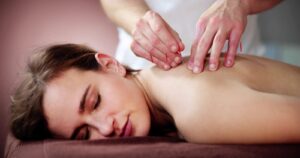
Gua Sha therapy involves gentle scraping of the skin to release tension, improve circulation, and dispel stagnation. Tui Na massage combines acupressure, kneading, and stretching to relieve muscle tension and harmonize internal organs. Herbal medicine is customized to the individual, supporting adrenal recovery, calming the mind, and improving sleep.
These tools work synergistically to address both the surface symptoms and the deeper energetic imbalances that contribute to chronic stress. For instance, a formula might be used to soothe the Liver, nourish the Heart, and strengthen the Kidneys — all in one.
Moxibustion and cupping are also used selectively, depending on the patient’s constitution. Moxibustion uses heat from burning mugwort to warm the meridians and enhance Qi flow. Cupping therapy, popularized among athletes, helps move stagnant blood and lymph, relaxing both fascia and nervous tension. These additions can dramatically improve recovery time from chronic stress.
A Look Inside a TCM Stress Consultation in Ottawa
At a reputable TCM clinic in Ottawa, a stress consultation is far more personalized than the average doctor’s visit. The practitioner takes time to understand not just your symptoms, but your lifestyle, emotional state, sleep quality, digestion, and menstrual or immune patterns. Pulse and tongue diagnosis are used to detect subtle imbalances.
Treatment plans often include weekly acupuncture sessions, lifestyle guidance, herbal prescriptions, and practical advice tailored to your constitution. Over time, patients often notice better sleep and energy, fewer mood swings or panic episodes, reduced muscle tension and headaches, and improved digestion and hormonal regulation.
Each patient’s journey is different. Some feel significant relief within just a few sessions, while others require several months of consistent care to unwind years of accumulated stress.
Lifestyle Approaches to Support Long-Term Stress Relief
While acupuncture and Chinese medicine offer deep therapeutic benefits, your everyday choices also matter. TCM encourages a holistic lifestyle that nourishes body and mind.
One essential principle is alignment with nature. That means honouring circadian rhythms, eating seasonally appropriate foods, and engaging in movement that supports—not depletes—the body. Gentle exercise like walking, tai chi, or slow yoga is often recommended over intense cardio, which may further tax an already stressed system.
Diet is another foundational element. Avoiding processed foods, stimulants, and excessive cold or raw foods can help reduce internal “dampness” and support digestion. Broths, lightly cooked vegetables, warm grains, and small amounts of high-quality protein nourish Qi and calm the Shen (spirit).
Sleep hygiene is paramount. Creating a ritual around bedtime — such as turning off screens early, using herbal teas, or light stretching — signals the body it is safe to rest. Prioritizing sleep before midnight is essential in TCM, as the Liver and Gallbladder perform their regenerative functions between 11 PM and 3 AM.
Equally important is emotional hygiene. Practicing forgiveness, setting boundaries, and scheduling joy can help alleviate emotional congestion. Keeping a journal or practicing simple breathing exercises upon waking and before bed reinforces parasympathetic dominance and nervous system balance.
Who Can Benefit Most from TCM for Stress?
While anyone can benefit from TCM’s balancing effects, those who experience the following may find especially profound results:
- Chronic stress with physical symptoms (insomnia, migraines, digestive issues)
- Emotional volatility or burnout
- Stress-induced hormonal imbalances (e.g., PMS, low libido, adrenal fatigue)
- Resistance to conventional treatments or a preference for natural care
Those who work in high-pressure environments, care for others professionally or personally, or have struggled with stress for years without relief may discover in TCM a long-awaited solution. Students, parents, healthcare workers, and those experiencing menopausal or perinatal transitions often find TCM invaluable for emotional steadiness and physical support.
Final Thoughts: Rediscover Calm Through Acupuncture and Chinese Medicine
Stress may be part of modern life, but suffering from it doesn’t have to be. Traditional Chinese Medicine and acupuncture offer a time-tested, evidence-informed path to resilience and calm. Whether you’re facing a high-pressure job, dealing with emotional grief, or simply feeling out of sync, healing is possible.
If you’re in Ottawa and searching for sustainable stress relief, consider visiting a Traditional Chinese Medicine center that offers acupuncture, Gua Sha therapy, Tui Na massage, and personalized care. It’s more than treatment — it’s a return to balance, grounded in centuries of wisdom and validated by modern science.
Keywords used throughout: acupuncture for stress management, tcm ottawa, acupuncture ottawa, traditional chinese medicine ottawa, gua sha therapy, tui na massage, acupuncture and chinese medicine.